
Carbon monoxide (CO) is a silent and potentially deadly gas that poses a serious risk to anyone exposed to it. Understanding how quickly it dissipates is essential for protecting your family and home.
In this article, we’ll answer the question, “how long does it take for carbon monoxide to dissipate?” and explore key topics such as common sources of CO, and how to protect yourself from CO poisoning.
A Quick Answer: How Long Does It Take for Carbon Monoxide to Dissipate?
In a well-ventilated space, carbon monoxide (CO) in the air can clear within about 30 minutes. However, if ventilation is poor, it may take several hours to fully dissipate. In the body, CO’s half-life (the time it takes for half of a substance to be used or decay) in normal room air is four to five hours. With fresh air, mild symptoms may improve quickly, but it can take up to 24 hours for CO to fully leave the body.
Sources:
- Iowa Department of Health and Human Services
- Agency for Toxic Substances and Disease Registry (ATSDR)
Where Does Carbon Monoxide Come From?
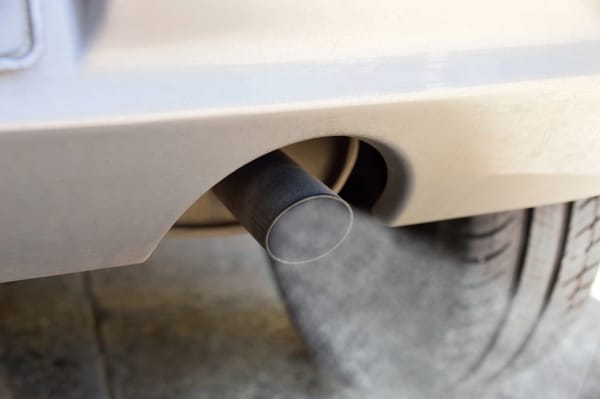
Carbon monoxide is found in combustion fumes. Here are some common carbon monoxide sources:
- Automobiles
- Small gasoline engines
- Lanterns
- Burning charcoal and wood
- Any heating system or appliance that burns gas, oil, wood, propane, or kerosene
Will My Carbon Monoxide Alarms Go Off for No Reason?
Carbon monoxide alarms are designed to activate only when they detect dangerous levels of carbon monoxide in the air, but false alarms can occasionally happen.
If your CO alarm goes off, you should assume that it was due to a valid reason. After taking all the necessary steps for your safety, you can then check if it was a false alarm. Some common reasons for false alarms include:
- The alarm has exceeded its operational life
- Smoking indoors
- High levels of CO due to living near a busy road
- Excessive moisture from a bathroom
- Using the wrong type of CO alarm for your environment
Why Is My Carbon Monoxide Alarm Beeping or Chirping Every 30 Seconds?
There are two possible reasons why your CO alarm beeps or chirps every 30 seconds.
End-of-Life Warning – The first reason could be that your CO alarm has reached the end of its life. These types of alarms usually last for 7 years (check the manual of your alarm!). If this is the case, you should replace your CO alarm immediately.
Alarm Malfunction – Some CO alarms might beep or chirp every 30 seconds due to a malfunction. You can call the product support team to get a replacement.
Note that if you experience any symptoms of CO poisoning (read below), you should go outside and call 911 immediately.
More Information About Carbon Monoxide Poisoning
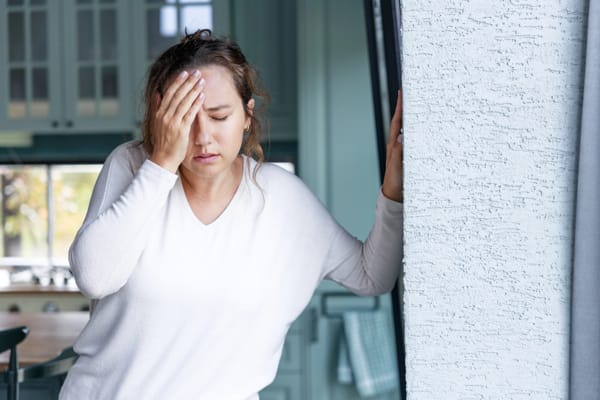
Here’s what you should know about carbon monoxide poisoning.
How Long Does It Take To Show Signs of Carbon Monoxide Poisoning?
The amount of time it takes to show signs of carbon monoxide poisoning changes depending on the concentration of the gas. At higher levels, it can take five minutes or less to feel the symptoms, while at lower levels, it can take about two hours or less.
What Are the Symptoms of Carbon Monoxide Poisoning?
Here’s a list of symptoms of carbon monoxide poisoning provided by the CDC.
Common symptoms include:
- Headache
- Dizziness
- Weakness
- Upset stomach
- Vomiting
- Chest pain
- Confusion
If you breathe in high concentrations of CO, you can either pass out or in the worst case, die.
What Should You Do if You’ve Been Exposed to Carbon Monoxide?
If your CO alarm activates or you start feeling symptoms of CO poisoning, here’s a list of critical steps you can follow to ensure your safety or the safety of someone else:
- Get out of the building immediately
- Call 911 or your local emergency services
In addition to that, avoid entering the house again to turn off the source of CO and make sure that everyone inside the building has evacuated too.
If you are unable to get outside, open a window or door and stay next to it while calling for help.
What Should I Do To Protect My Home and My Family?
Here’s a basic list of guidelines you can follow to protect your family from CO poisoning.
- Install CO Detectors: Install on every level of your home including the basement and in a central location outside of each sleeping area.
- Have your Appliances Inspected Annually: Schedule professional inspections and maintenance for appliances like gas furnaces, water heaters, heating system, or any other appliance that burns oil, gas, or coal.
- Clean and Inspect Your Chimney Yearly: Ensure your chimney is free of debris or blockages that could cause CO buildup.
- Operate Generators Outdoors: Always run generators in well-ventilated outdoor spaces, far from windows and doors.
- Avoid Running Vehicles Indoors: Never run your car or any motorized vehicle inside your garage if it is attached to your house, even with the door open.
Contact Us Today to Protect Your Property!
At Habitec Security we have been providing security solutions to homeowners and businesses in Ohio and Michigan since 1972. Our security solutions include fully customizable security systems, fire alarms, security cameras, and more.
We also offer a variety of environmental monitoring solutions such as carbon monoxide detectors, temperature sensors, and more. Contact us today to request a FREE security evaluation.
Frequently Asked Questions
Learn more about carbon monoxide and carbon monoxide detectors.
Will A Carbon Monoxide Alarm Go Off In A House Fire Right Away, Or Does The CO Have To Build Up?
In a house fire, a carbon monoxide alarm will not necessarily go off immediately, as it only activates when CO levels reach a certain threshold. Fires produce CO rapidly, but it must accumulate to a level detectable by the alarm’s sensor. This delay highlights the importance of fire alarms, in addition to CO alarms, for comprehensive security.
Why Does The Red Light Flash On My Carbon Monoxide Alarm?
A flashing red light on your carbon monoxide alarm usually indicates normal operation, as many models use this as a status signal. However, always check the alarm’s manual to understand its specific indicators and take immediate action if it indicates danger.
Where Should You Put A Carbon Monoxide Detector?
The EPA recommends placing carbon monoxide detectors on every level of your home, especially near sleeping areas.
Does Opening Windows Get Rid of Carbon Monoxide?
Opening windows can help reduce carbon monoxide levels temporarily by introducing fresh air and allowing some of the gas to escape. However, this is not a reliable or complete solution, especially during significant CO buildup. Ventilation should be combined with addressing the source of the CO and using CO detectors to monitor levels.
Can You Sleep Off Carbon Monoxide?
No, you cannot sleep off carbon monoxide exposure. Breathing CO while sleeping is particularly dangerous because you may not recognize symptoms like headache or dizziness. Continued exposure can lead to unconsciousness or death. If you suspect CO poisoning, seek fresh air immediately and get medical attention.
Is 50 PPM Carbon Monoxide Dangerous?
According to the Occupational Safety and Health Administration (OSHA), no one should be exposed to 50 parts per million (ppm) or higher for more than eight hours.

Contact Us Today to Secure Your Home!
Continue to keep your home and family safe! Our security experts can perform a security evaluation and provide custom-designed, integrated security solutions backed by award-winning, 24-hour local monitoring. Contact us today!
Connect with Habitec Security on social media.