
Fire safety is a critical responsibility for every business, protecting employees, customers, and property from potentially devastating fires.
Based on our years of experience and guidance from trusted sources like the NFPA, we’ve compiled a comprehensive list of business fire safety tips to help business owners reduce risks and stay prepared.
To make fire prevention easier, we’ve also included a checklist at the beginning of this article, ensuring you can quickly assess and improve your fire safety measures.
Business Fire Safety Checklist
Here’s our business fire safety checklist organized by category:
Electrical Safety
- Make sure that outlets and cables are in perfect condition
- Keep flammable materials away from electrical equipment
- Always supervise portable heating devices
- Keep workspaces and equipment clean
- Store flammable materials properly
Fire Detection and Suppression Systems
- Install a fire alarm and fire sprinklers
- Ensure easy access to fire extinguishers
- Maintain fire safety equipment in perfect condition
Contingency Plans in Case of Emergencies
- Create a fire safety plan
- Train employees
- Conduct regular fire drills
- Ensure that fire escape plans are present on all levels
- Ensure that windows can be opened
- Maintain fire ladders and fire escapes in perfect condition
- Keep exits always clear
Regulations
- Enforce a no-smoking policy
- Conduct regular fire inspections
Keep reading to learn more about each item in the checklist.
1. Make Sure That Outlets and Cables Are in Perfect Condition
Regularly inspect electrical outlets and power cords for signs of wear. Overloaded circuits and damaged wiring can overheat and pose a fire hazard, so ensure outlets are not supporting more devices than they are rated for and replace faulty cords immediately.
2. Keep Flammable Materials Away from Electrical Equipment
Maintain a clear area around electrical equipment by keeping flammable materials, such as paper, cloth, and chemicals, away from outlets, power strips, and machinery. Even minor sparks or overheating can ignite nearby combustible materials, increasing the risk of fire.
3. Always Supervise Portable Heating Devices
Space heaters, heat lamps, and other portable heating devices should never be left unattended while in use. Always place them on a stable, non-flammable surface and ensure they are turned off at the end of the workday to prevent overheating and accidental fires.
4. Keep Workspaces and Equipment Clean
Dust, lint, and other debris can accumulate in electrical equipment, outlets, and machinery, creating a fire hazard. Implement routine cleaning schedules to prevent buildup and ensure that all electrical components are free from obstructions and properly maintained.
5. Store Flammable Materials Properly
Flammable materials should be stored in designated, well-ventilated areas away from electrical sources. Use approved fire-resistant storage cabinets and ensure all employees are trained on proper handling and safety procedures to minimize fire risks.
Here’s a list of flammable materials that can be commonly found in business buildings and workplaces:
- Paper
- Straw
- Wood
- Cloth
- Coal / Charcoal
- Cooking oil
- Grease
- Lubricants
- Kerosene
- Diesel
6. Install a Fire Alarm and Fire Sprinklers
Fire alarms and fire sprinklers play a crucial role in detecting and suppressing fires before they can spread. Fire alarms alert occupants to danger, while fire sprinklers activate automatically to control or extinguish flames, minimizing damage and saving lives. Both systems are essential for comprehensive fire protection in a business setting.
To ensure compliance with fire safety regulations, businesses must adhere to state, county, and municipal fire codes.
Installing a monitored fire alarm system adds an extra layer of security by ensuring emergency responders are alerted even when no one is on-site to hear the alarm. Working with a professional fire safety solutions provider like Habitec Security ensures that fire alarms are installed and maintained by certified professionals. As a Fire-Lite Distributor, NFPA member, and employer of NICET-certified fire technicians, Habitec delivers code-compliant commercial fire alarm solutions.
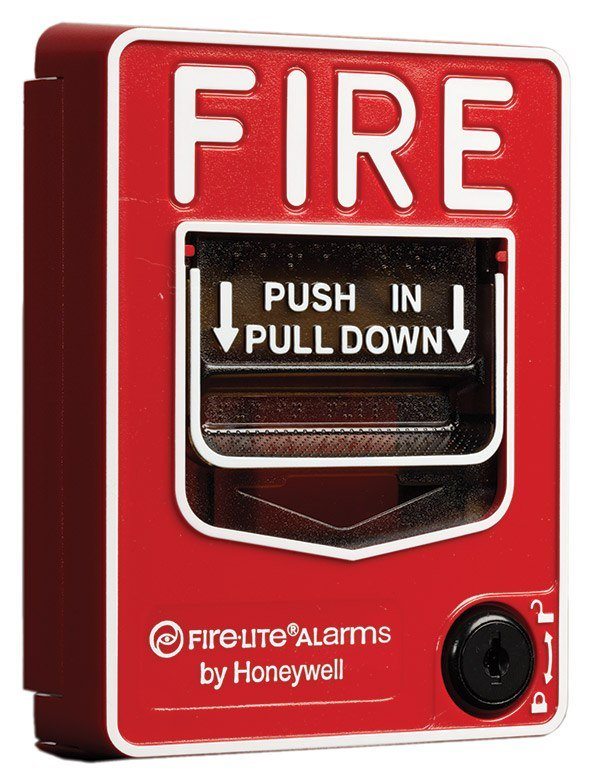
A fire alarm from Habitec Security
7. Ensure Easy Access To Fire Extinguishers
Fire extinguishers should be strategically placed throughout your business to ensure quick and easy access in an emergency. They must be mounted at appropriate heights, clearly marked, and free from obstructions.
8. Maintain Fire Safety Equipment In Perfect Condition
Routine inspections and maintenance of fire alarms, sprinklers, and extinguishers are essential for keeping them in working order. Replace expired extinguishers and test fire alarms periodically to ensure they function correctly.
Depending on your industry, there may be a related safety standard to which you must adhere. For example, in construction, the OSHA standard 1926.150 ensures that all firefighting equipment is periodically inspected and maintained during construction projects.
9. Create A Fire Safety Plan
A well-documented fire safety plan outlines fire prevention measures, emergency response procedures, and employee responsibilities. According to the OSHA, businesses must maintain a written fire prevention plan that includes details such as:
- Major fire hazards
- Procedures for handling flammable materials
- Procedures for conducting maintenance of heat-producing equipment
- Personnel responsible for fire safety
For more information, refer to OSHA’s official documentation.
10. Train employees
Regular employee training on emergency exit locations, evacuation routes, and proper use of fire protection equipment is essential for workplace safety. Employees should be familiar with the quickest and safest ways to exit the building and know how to operate fire extinguishers and alarm systems in case of an emergency.
11. Conduct Regular Fire Drills
Whether legally required or not, businesses should conduct fire drills as often as necessary to keep employees prepared. Practice evacuation drills help staff respond quickly and calmly in an emergency, reducing the risk of injury and ensuring a smooth evacuation process.
12. Ensure That Fire Escape Plans Are Present on All Levels
Fire escape plans should be present on every level of your business, near exits and common areas, to ensure all employees and visitors know how to evacuate in an emergency. These plans should highlight things like exit routes and designated assembly areas to minimize confusion during an evacuation.
13. Ensure That Windows Can Be Opened
In the event of a fire, windows may serve as emergency exits if primary escape routes are blocked. Ensure that all windows can be easily opened and that screens or security bars can be quickly removed to allow a safe exit if needed.
14. Maintain Fire Ladders and Fire Escapes In Perfect Condition
Fire escapes and ladders must be regularly inspected and maintained to ensure they are safe and functional. Rust, corrosion, or obstructions can hinder their use during an emergency, so periodic maintenance and compliance checks are necessary to keep them in proper working order.
15. Keep Exits Always Clear
Blocked exits can delay evacuation and put lives at risk, so businesses must ensure that emergency pathways are unobstructed and well-lit to allow for quick and safe evacuations.
16. Enforce A No-Smoking Policy
A simple but important measure of fire safety for businesses. Designate outdoor smoking areas away from buildings, flammable materials, and entrances, and provide proper receptacles for cigarette disposal to prevent accidental fires.
17. Conduct Regular Fire Inspections
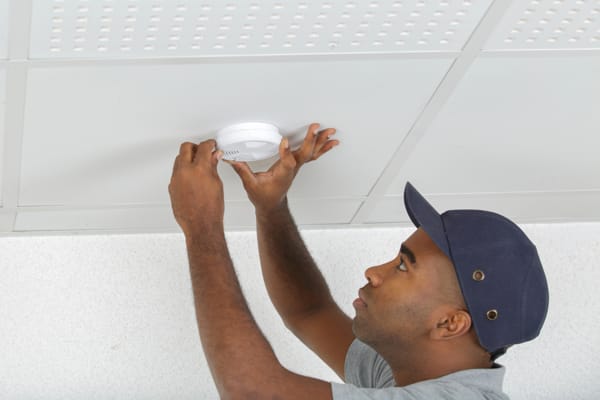
Routine fire inspections help identify potential hazards and ensure fire safety systems are functioning properly. To maintain your fire alarm system and protect your employees and business, consider professional fire inspection services.
Solution providers like Habitec Security offer thorough inspections that comply with NFPA standards, including cleaning fire alarm components and measuring smoke detector sensitivity to minimize false alarms. By using certified professionals for inspections, businesses save time and ensure all fire safety components meet code requirements for maximum protection.
Contact Us Today to Secure Your Business!
At Habitec Security, we can help you build a fire alarm system that is completely customized to meet your specific needs. All our solutions comply with NFPA’s standards, ensuring reliable measures of fire safety for businesses. Contact us today to schedule a free security evaluation or learn more about our solutions and services.
Frequently Asked Questions
Learn more about fire safety in the workplace.
What Are The Causes of Commercial Fires?
According to a U.S. Fire Administration report, the leading causes of non-residential building fires include:
- Cooking
- Intentional fires
- Electrical equipment malfunctions
- Heating equipment malfunctions
What Are The Minimum Fire Prevention Requirements?
Businesses must comply with state, county, and municipal fire codes. Since regulations vary by location, it’s important to review local codes to ensure compliance.
How Many Fire Extinguishers Are Required Per Square Foot?
NFPA requirements mention that extinguishers must be placed within a reachable distance based on their category:
- Class A (ordinary combustibles): 75 ft
- Class B (flammable liquids): 30-50 ft
- Class C (energized electrical equipment): N/A
- Class D (combustible metals): 75 ft
- Class K (cooking media): 30 ft
For more information, refer to the official NFPA documentation and local fire codes.

Contact Us Today to Secure Your Business!
Continue to keep your business safe! Our security experts can perform a security evaluation and provide custom-designed, integrated security solutions backed by award-winning, 24-hour local monitoring. Contact us today!
Connect with Habitec Security on social media.